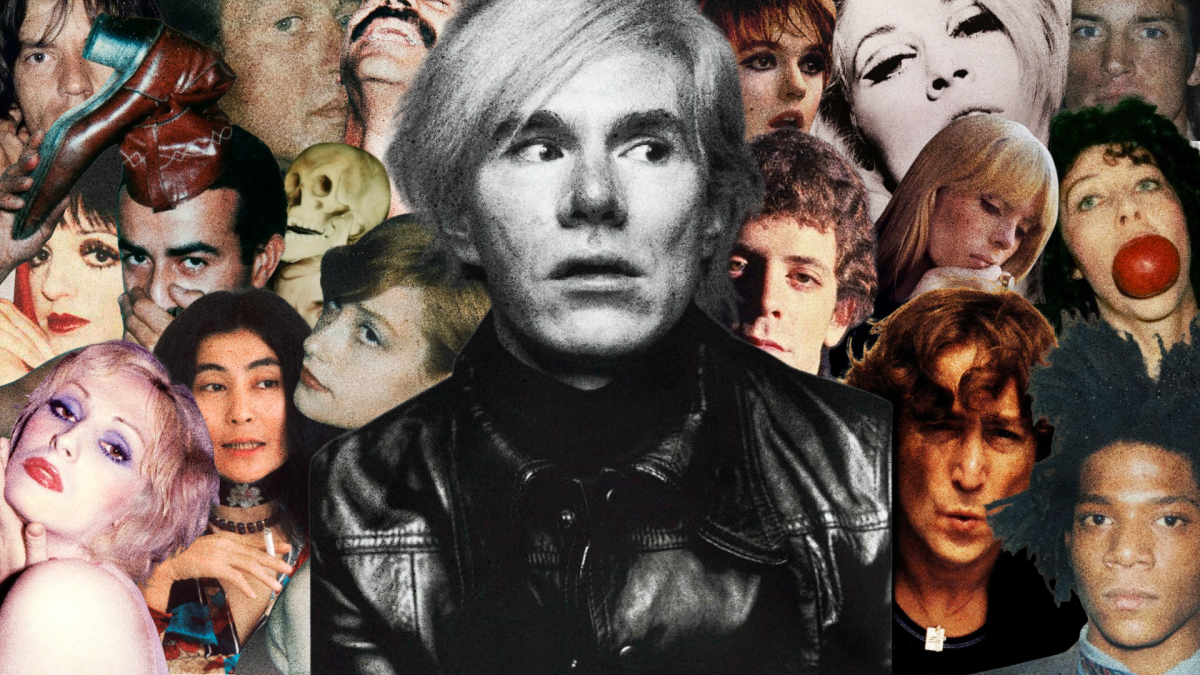
Born on August 6, 1928, by the name of Andrew Warhola, Andy Warhol has both earned and clawed his way up to some of the highest degrees of respect and fame as a daring, experimental artist—with his work being displayed in modern-day restaurants, homes, classrooms, and museums nearly 40 years after his passing. However, the artists of the previous century are nothing if not known for the occasional controversies that lay beside their masterpieces, and the Pope of Pop is no exception.
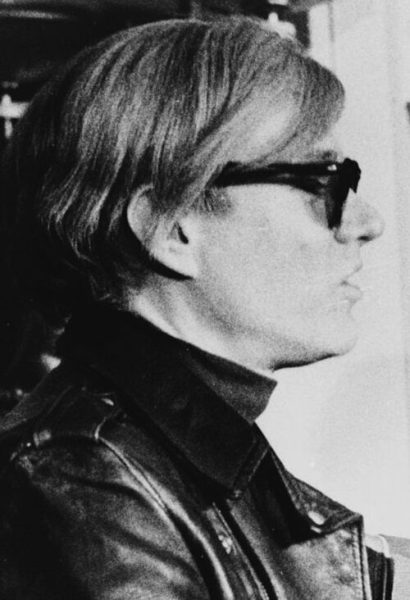
Arising from a working class Rusyn immigrant family in Pittsburg, Pennsylvania, Warhol is known for his bold, unafraid, and avant-garde art pieces that reflected upon the vastly changing era of mid-twentieth century America, Andy Warhol’s work took much inspiration from the world around him—such as consumerism and pop-culture.
His innovative approach to both art and life attracted socialites, musicians, and fellow painters, to join him at his workshop, nicknamed “The Factory,” located in New York City. Warhol had the uncanny ability to infuse photography, painting, and film into a singular work, exploring themes of race, gender, exploitation, and desire all throughout his career of artistry.
Greyson Maliski, an ERHS Freshman and aspiring artist, shared his overall thoughts on Warhol.
“I like his art,” Maliski said. “I think it’s a generally good message, but it got distorted over time. Interesting guy.”
Nonetheless, Warhol famously stated, “Art is what you can get away with,” and evidently lived by it. His work has been criticized a countless number of times, both during his life and the present day, facing accusations of laziness — an allegation that has followed around contemporary art since it was first shown on a pedestal to the public.
A certain critic by the name of Robert Hughes, dismissed him as having nothing to say, and even went so far as to call Warhol the stupidest person he had ever met.
Warhol’s work, be it intentional or not, was emblematic of superficial, consumer-driven culture. Characterized by its repetition and mass-production, pieces such as the famous Campbell’s Soup Cans series, could be viewed as lacking the emotional depth and personal expression found in traditional art mediums.
In my opinion, whether or not Warhol deserves his spot as a “good” artist in history forces the questioner to wonder what art actually is. Can art still be considered profound, if it has been reinstated over a million times? Does it deteriorate, remain the same, or instead simply grow as time goes on? Every interpretation is truth to the individual that beholds it, but if every interpretation is equal, who is it that decides what is uninspired and what is groundbreaking? Art is an expression of not what the artist wants it to be, but what the audience decides that it is. The message and story of a masterpiece can be warped by a whisper, and suddenly that is the truth of it.
Warhol’s work incredibly satirized the ways of consumerism and fame, which was ironically exactly how he lived. His significance in the art world can never go unstated, with his influence seemingly overreaching the reasonableness of his fame.