
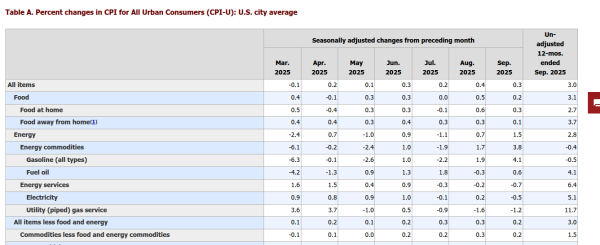
It is currently the month of December, and experts are awaiting the November Consumer Price Index (CPI) report amid uncertainty due to tariffs, deportations, and changing tax policy. The CPI provides vital inflation data, from headline year-over-year changes to changes in specific categories such as groceries, rent, and fuel. The report is released monthly and always stirs conversation and contention.
Many economists are very concerned about October’s CPI report because it has not yet been released, mostly due to the government shutdown. The Federal Reserve uses inflation data to make decisions for monetary policy, most importantly, interest rates. The higher the rates, the less inflation because consumers and businesses alike will be more hesitant to borrow and spend due to the higher cost of debt, and vice versa. With uncertainty in the business world about price levels, one missing report is devastating. It leaves a massive blind spot in our collective understanding and forecasting of the economy.
Frustration has surfaced in the wake of the shutdown. eSTEM student Max Neimeyer stated, “…we had to cancel flights to go see family because of it. What was the point of that long shutdown? …People not getting paid, people not getting fed, all to crumble and have it be for nothing.”
Since the shutdown, the Department of Labor has set its eyes on employment data. The American private sector shed 32,000 jobs last month, an unexpected and worrying development. The poor employment numbers combined with higher inflation expectations, many economists warn, could be a sign of future stagflation, an economic period of high unemployment and inflation.
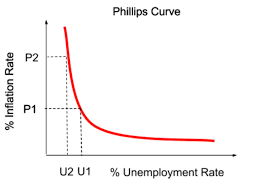
Stagflation, a portmanteau of the words “stagnation” and “inflation,” is a fairly new phenomenon, first emerging in the 1970s. The economic condition defies a model known as the Phillips curve, which shows the historical inverse relationship between inflation and unemployment.
“I don’t know much about this, but it seems like it would cause a lot of harm,” said one student who requested anonymity. “I think to make good decisions, we need good data. If we’re missing a bunch, that hurts our decision-making.”
The November CPI-U report is due for release on December 18. However, concerns remain about the accuracy of even this report in the wake of the shutdown. The job of every economist in America has been made more difficult.