Listeners often describe songs as “catchy,” but that label does little to explain why certain tracks resonate more than others. Music appeals to audiences through a mix of melody, harmony, cultural trends and symbolism along with how well its elements work together.
Melody is often the most recognizable feature of a song. It is the sequence of notes listeners hum long after the music stops. A strong melody creates direction and emotional movement. Without it, a song can feel unfocused or incomplete.
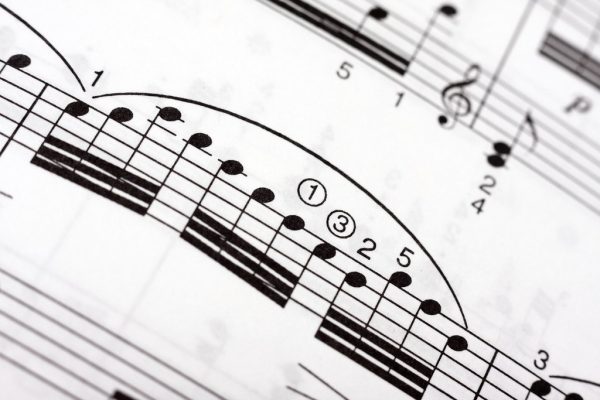
Harmony builds on that structure. When multiple notes blend in a coordinated way, they add depth and texture.
ERHS student Kenneth Khang, shares music sounds good because “the vocals combined with the tunes in sync makes music sound good.”
The comment underscores the importance of coordination between a singer’s voice and the instrumental background. When vocals align with rhythm and tone, the result feels smooth and intentional.
Another ERHS student Kyle Monton emphasized, “the combination of instruments together increases the vibe, and with good lyrics and a nice voice, will lift up the hearts of many.”
That perspective highlights music as a layered experience. Instruments establish mood.
Lyrics communicate message. The overall vibe shapes how listeners interpret both. If those components complement one another, the song feels cohesive. If they clash, the impact weakens.

Trends also influence how music is received. Popular production styles, vocal effects and genre blends often reflect the cultural moment. What sounds appealing today may differ from what defined earlier decades. While trends evolve, they help shape audience expectations.
Songs that represent broader ideas whether about relationships, identity or struggle tend to stay with listeners longer. Meaning allows audiences to form personal connections with what they hear.
In the end, music’s appeal rarely depends on a single element. Melody provides structure. Harmony adds richness. Synchronization creates balance. Lyrics and symbolism supply depth. Together, these factors determine whether a song simply plays or truly resonates.