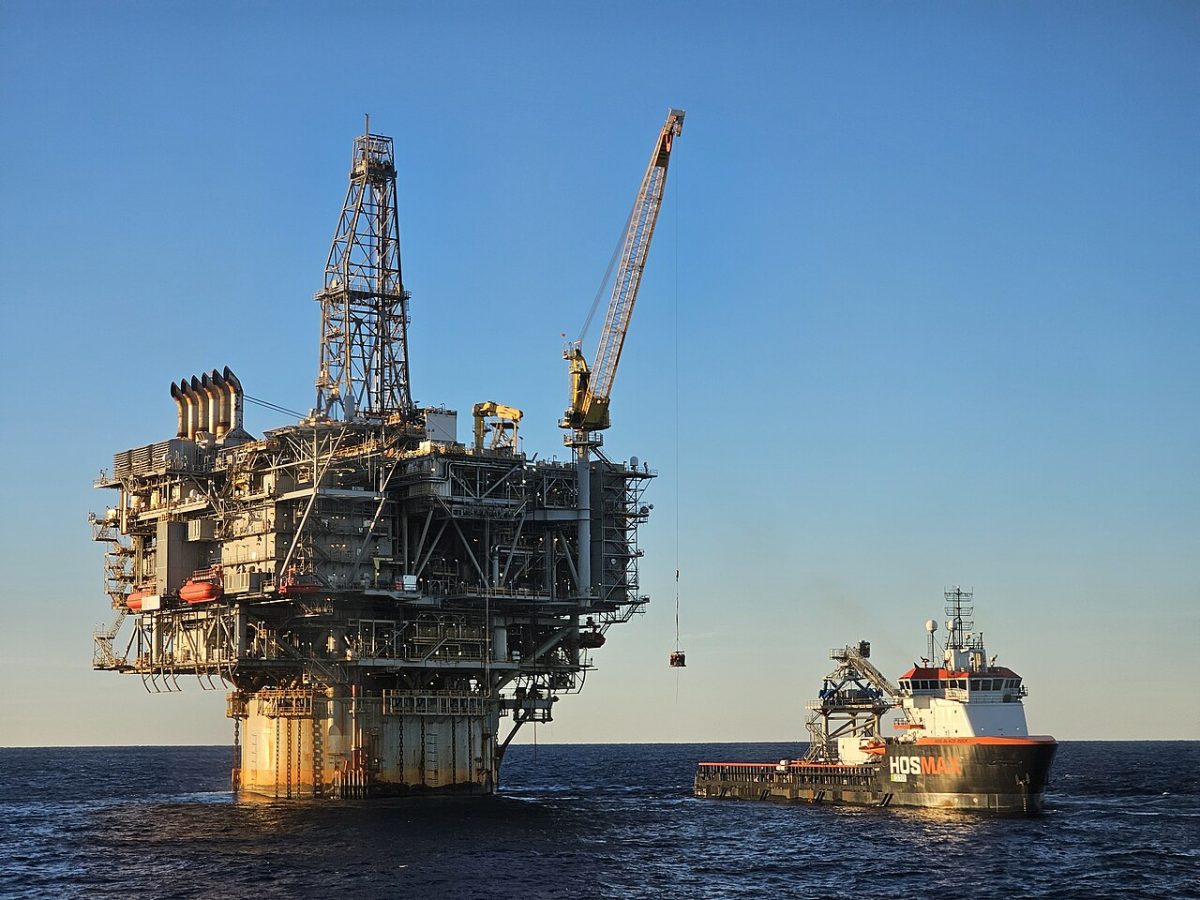
With the recent development of conflict in Iran, Iran has shut down the Strait of Hormuz. That single waterway allowed approximately 20% of the entire world’s oil and another 20% of liquefied natural gas(LNG) to travel around the globe, as well as other goods shipping.
The shutdown of this waterway has drastically impacted the world’s economy, mainly through rising oil and gas prices. It has only been about three weeks since the conflict began, and some gas prices have already reached eight dollars per gallon. It is crucial to recognize this issue and plan for the subsequent waves of problems.
With oil prices on the rise, we’ll eventually start to see increased prices in everything since all of our infrastructure essentially runs on oil, even daily items like plastic in the water bottle. It is also a possibility that electricity bills could rise due to a lack of oil to run the generators. There could be many different issues that could surface at any moment in time.
Kiana Yoon, a college student in France, says, “I think it is really unfortunate that this is happening when there’s already the Ukraine War going on.”
Kiana showed her concern towards the situation of the world, in which there are too many conflicts happening all at the same time. She is worried about this eventually leading to inflation rapidly.
Ivan Lazic, a college student in Serbia, says, “This is getting really stupid because it’s just average citizens becoming the victim of those higher-ups’ decision on starting a pointless war.”
Ivan says that citizens are paying the price of the war and facing the consequences of it, even though nobody wanted this conflict. He criticized the world leaders for making citizens endure everything, especially the rising prices of everything.
Many people are blaming wars, conflicts, and decisions of the government for the rising potential of an economic crisis ignited by the shutdown of the Hormuz Strait. This drastically increasing cost of living should be dealt with by the government, not the people.