The debate between iPhone and Android users has persisted for years, with people claiming the opposing side is better. While both platforms offer advanced technology, Apple’s iPhone stands out as the better choice for reliability, security, and overall user experience.
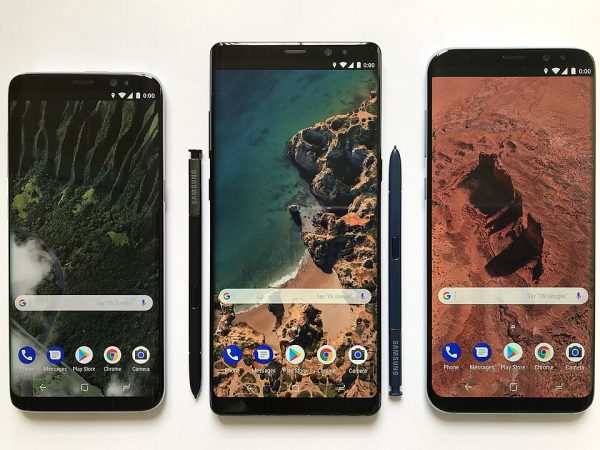
Although not everyone agrees. Some students argue that Android devices offer more flexibility. Mohamed Abdellatif, a student at ERHS, shares, “Androids are better because they are cheaper over iPhones. I also think Androids are better because they have more features compared to iPhones.”
That perspective reflects a common argument, saying Android phones allow users to customize their devices more freely and often come in a wider range of prices and designs.
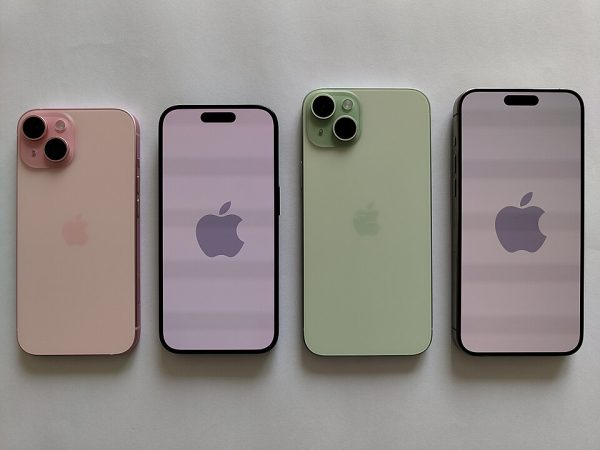
However, iPhone users point to consistency as a major advantage. Apple designs both the hardware and software, allowing for smooth integration across devices.
Features such as AirDrop, iMessage, and iCloud create a unified experience that Android devices often struggle to match due to the variety of manufacturers and operating systems.
That consistency is one reason some students prefer Apple. Jonathan Lin, also a student at ERHS, states, “iPhone because of the ecosystem, and different Apple products that works together well.”
Jonathan essentially highlights how reliability and ease of use influence daily phone use and the security, especially for students who depend on their devices for school and daily communication.
Security is another key factor. Apple maintains strict control over its App Store and pushes updates to supported devices simultaneously. This ensures users receive the latest security patches without delay, unlike many Android phones that rely on manufacturers or carriers.
While Android devices may appeal to those seeking customization and variety, the iPhone’s reliability, security, and cohesive design make it the stronger choice overall.
In a world where smartphones are essential tools, having a device that works consistently can make all the difference.