
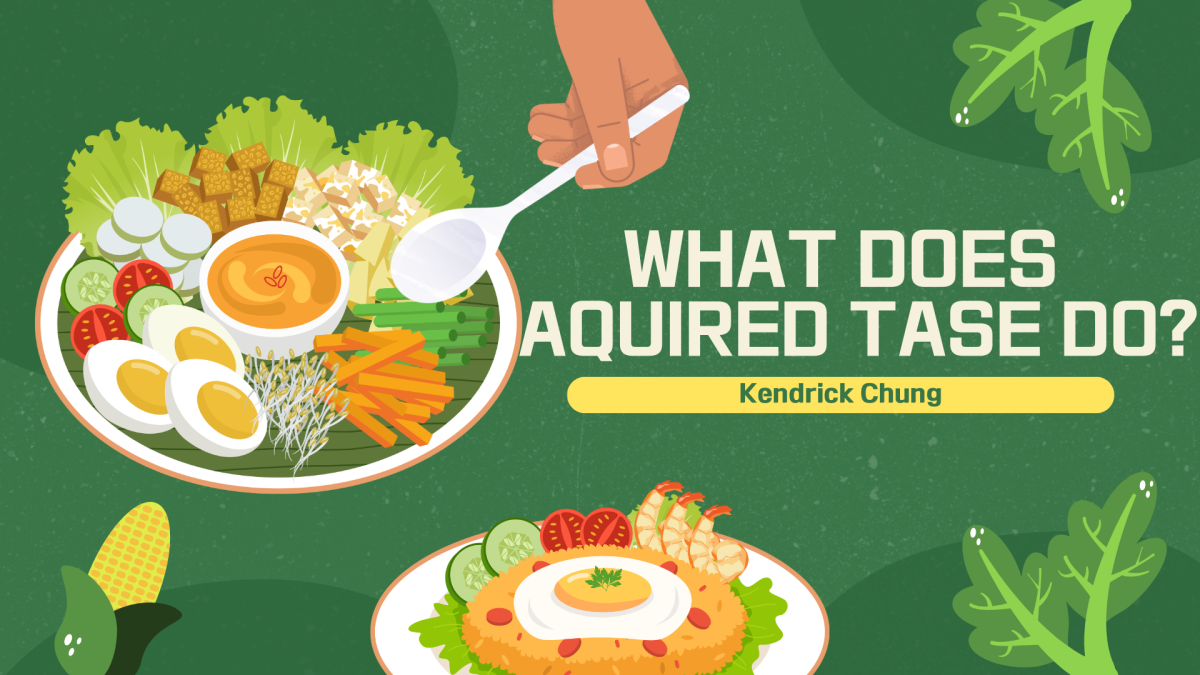
From black coffee to blue cheese, many of the foods people love most are rarely favorites at first bite. That is because taste is not fixed. It develops. Acquired taste absolutely changes what food you enjoy, and that shift reflects growth, culture, and experience.
As children, we naturally prefer sweet and salty flavors. Vegetables taste bitter. Coffee tastes harsh. Spicy food feels overwhelming. But the more we try certain foods, the more familiar they become. Repeated exposure trains our brains to recognize complexity instead of shock. What once tasted unpleasant can become rich, bold, or comforting.
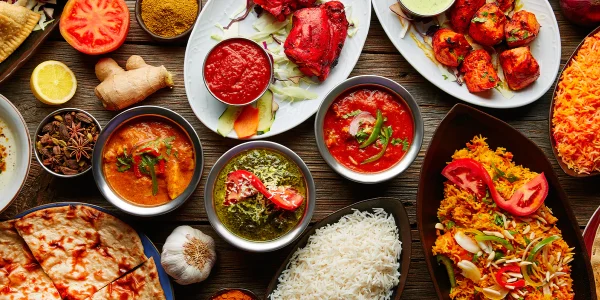
“Acquired taste is indubitably a most popular phenomenon in which me myself hath witnessed,” said ERHS student, Joseph He. “Undoubtedly, a vast majority of cultures, including mine, hath progressed culinary traditions which doth seem alien to differing cultures, but one may find that repetition of these unfamiliar meals may facilitate enjoyment.”
Their observation highlights how repeated exposure can shift perception and even create new favorites.
Science also supports this idea. According to Psychology StackChange, “When a previously unexperienced flavor is encountered with familiar flavors, the eater may learn to associate these tastes. This is called flavor-flavor learning.”
Memory and emotion reshape taste. For example, if sushi reminds you of dinners with friends, or hot sauce connects you to family traditions, enjoyment deepens beyond the flavor alone.

Everyone has different opinions about acquired taste.
“Acquired taste is a controversial depiction of food that is very difficult for the general public to enjoy,” said ERHS student Justice Flowers. “If a food is initially garbage and takes a lot of effort to be deemed delectable, then why bother with it rather than move on to a food that is widely praised as scrumptious?”
This perspective shows that acquired taste is something that isn’t necessary, and that we should instead eat things you already enjoy.
Overall, our tastes evolve as we do. Proving that what we enjoy is shaped by curiosity, memory, and experience, something truly worth savoring.





Emma Pascual • Feb 17, 2026 at 11:58 am
Really interesting article! Thanks for sharing