
As housing costs continue to rise, new construction technologies are being promoted as possible solutions. One of the most discussed innovations is 3D-printed housing, where large-scale printers build homes layer by layer. While the concept is exciting, questions remain about whether these homes are reliable enough to be widely trusted around the world.
Some homes can be built in days, reducing labor and material waste. This has led many to see the technology as a response to housing shortages.
“I personally think that 3D-printed houses have potential to be great, but it needs the infrastructure and the support it needs in order to create housing at an affordable price,” shares Andre Chen, a student at Eleanor Roosevelt High School, reflecting optimism about 3D printing’s potential.
However, faster construction does not guarantee long-term durability.
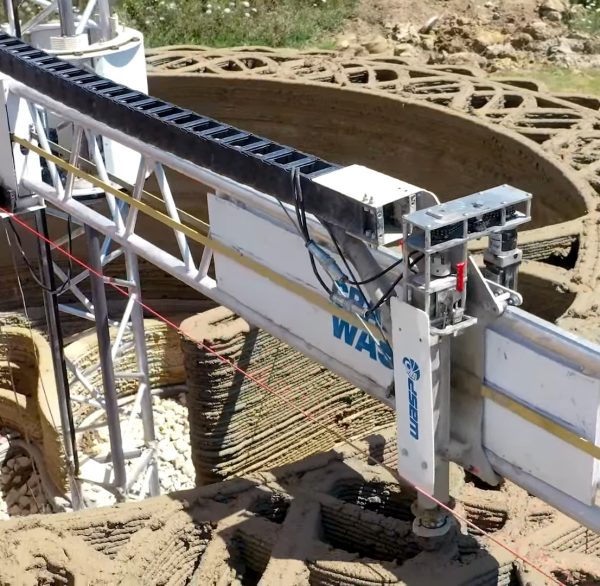
Concerns about reliability remain significant. Most 3D-printed homes rely on concrete-based materials that have not been tested over decades. Traditional homes are built using methods supported by long-established data on structural performance. There is limited evidence showing how 3D-printed houses will hold up against extreme weather or long-term stress.
Regulation presents additional challenges. Many building codes were developed before 3D printing was a viable option. This creates uncertainty around safety standards and inspections. Without consistent regulations, ensuring quality across projects is difficult.
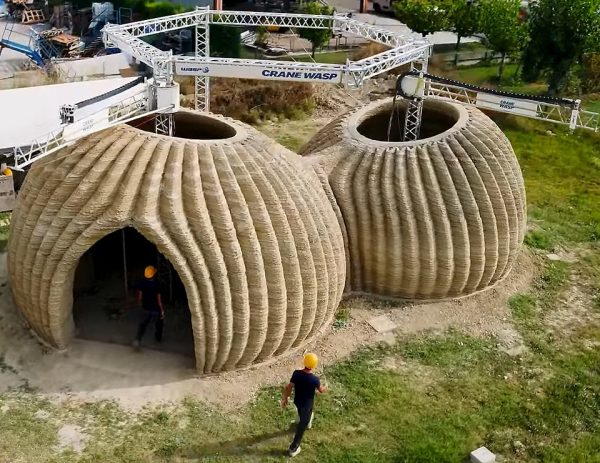
The technology’s reliance on advanced machinery is another concern. Automation reduces the need for large crews, but technical errors or equipment failures could have serious consequences.
When asked his thoughts on 3D-housing, another student from ERHS, Peter Huang, said, “No, they’re not reliable because they don’t look very appealing,” emphasizing the need for design and structure when adopting new methods.
Despite these limitations, 3D-printed housing still shows promise. Continued research and improved materials could address current concerns. For now, 3D-printed houses remain an emerging alternative rather than a dependable replacement for traditional construction.